ÌMÓDỌ̀TUNNigerian Indigenous Knowledge
National framework

Indigenous Knowledge

Knowledge systems are living, situated and community-held. Ìmódọ̀tun supports multiple Nigerian community collections without flattening their differences.

Knowledge domains

Representative pathways through the archive. Contextual images are not presented as Ẹdẹ-specific evidence.

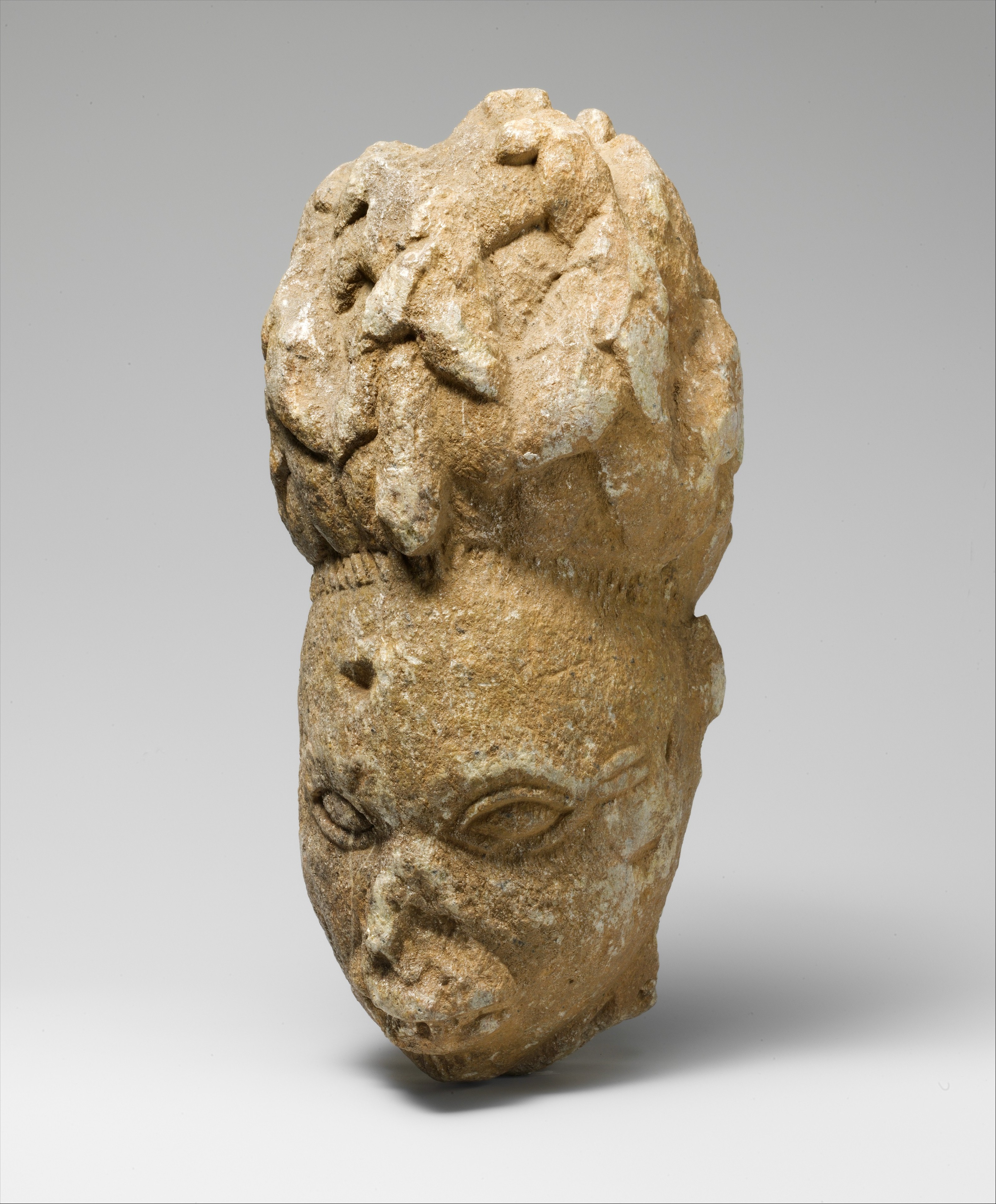
Stone Yoruba head from a figure from the Esie region of Nigeria.
Yoruba head from a figure, Esie region, Offa, Nigeria, 12th–15th century.The Metropolitan Museum of Art · Public Domain

History & Origins

Memory, settlement, migration and historical narratives.
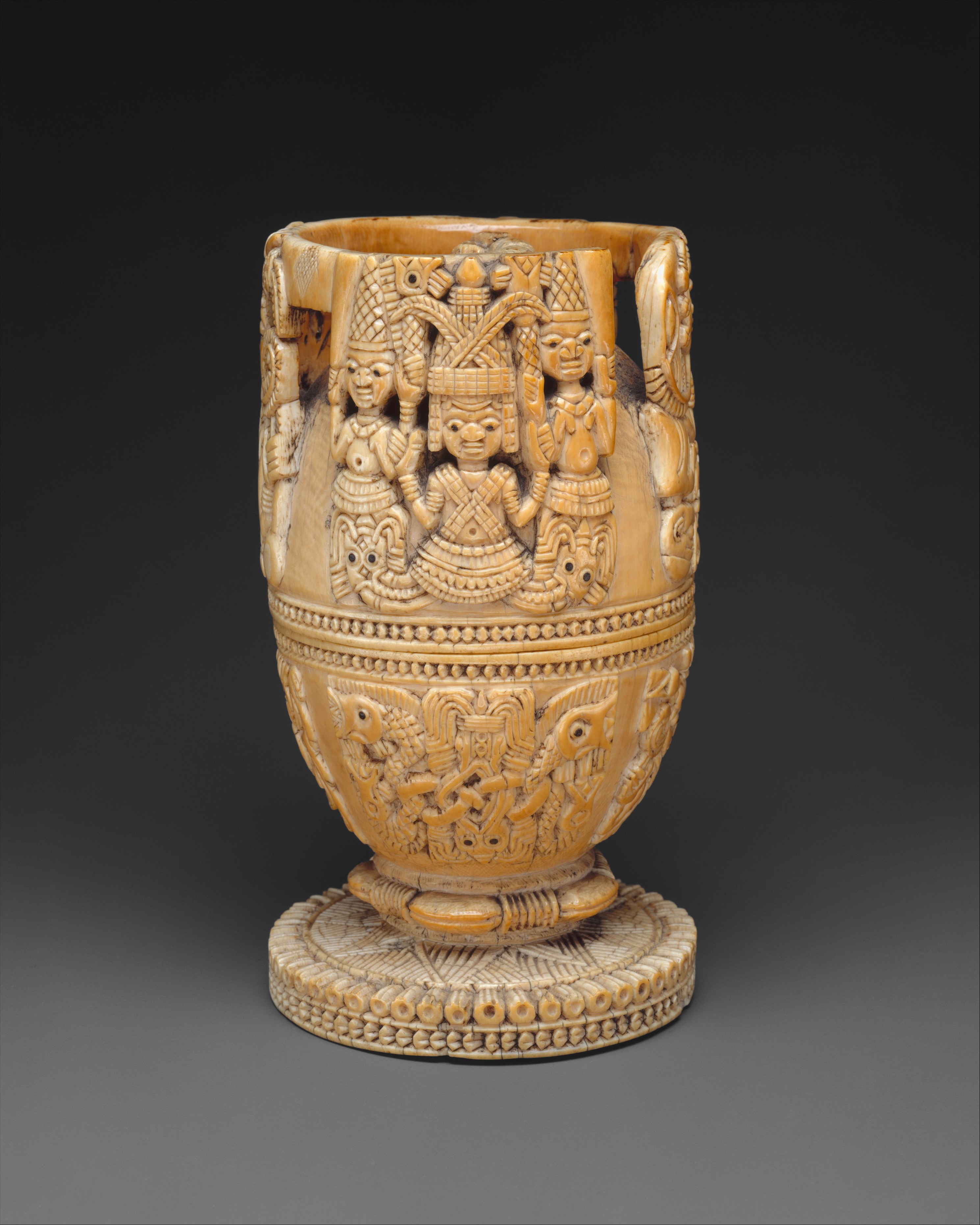
Historic Owo-Yoruba lidded vessel from Nigeria.
Lidded vessel associated with Owo-Yoruba courtly culture, Nigeria, 17th–18th century.The Metropolitan Museum of Art · Public Domain

Kingship & Governance

Institutions, leadership, titles, authority and civic memory.
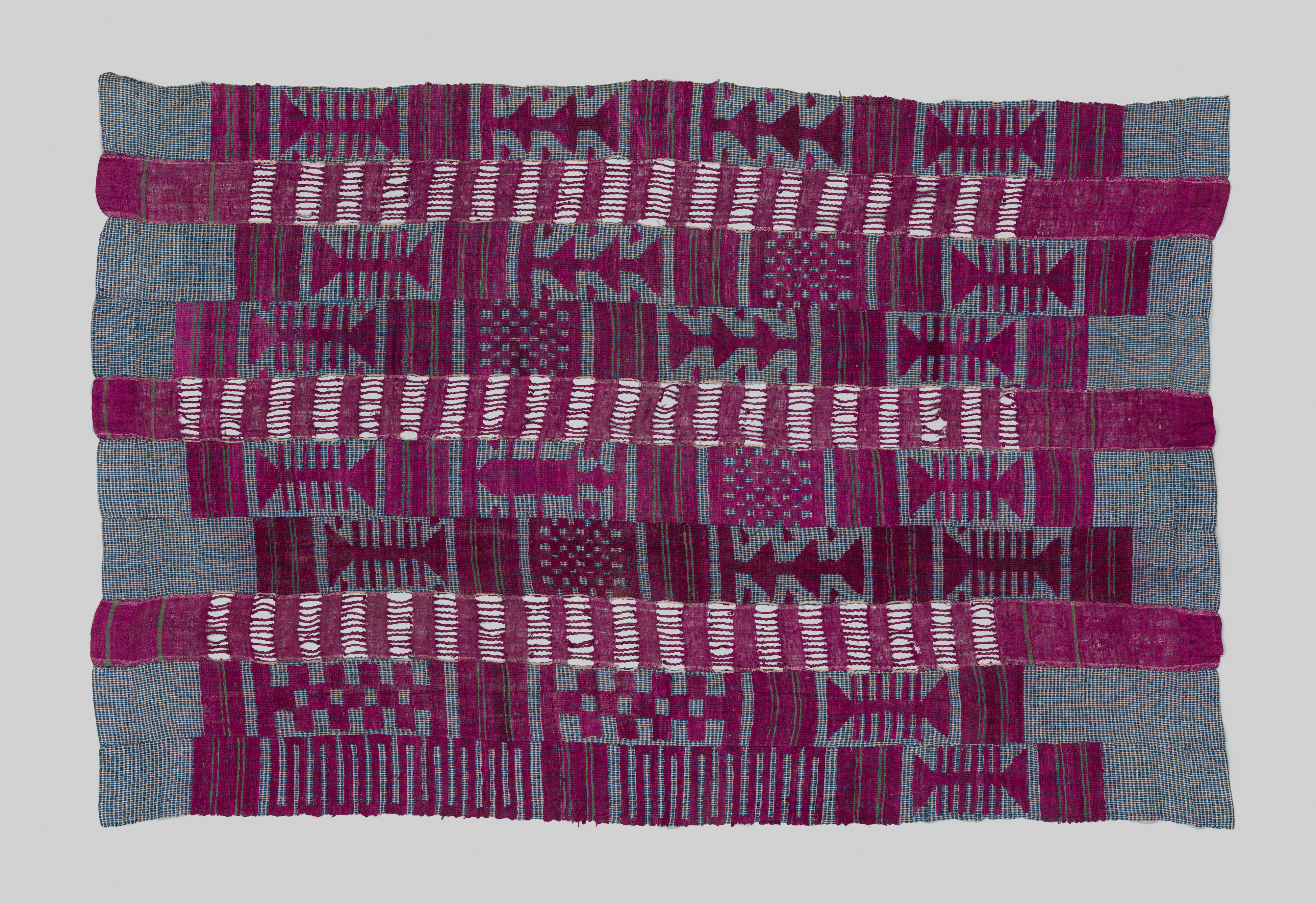
Nineteenth-century Yoruba Aṣọ òkè woman's wrapper.
Aṣọ òkè ìró, Yoruba textile, Nigeria, 19th century.The Metropolitan Museum of Art · Public Domain

Arts & Material Culture

Textiles, objects, craft knowledge and material traditions.
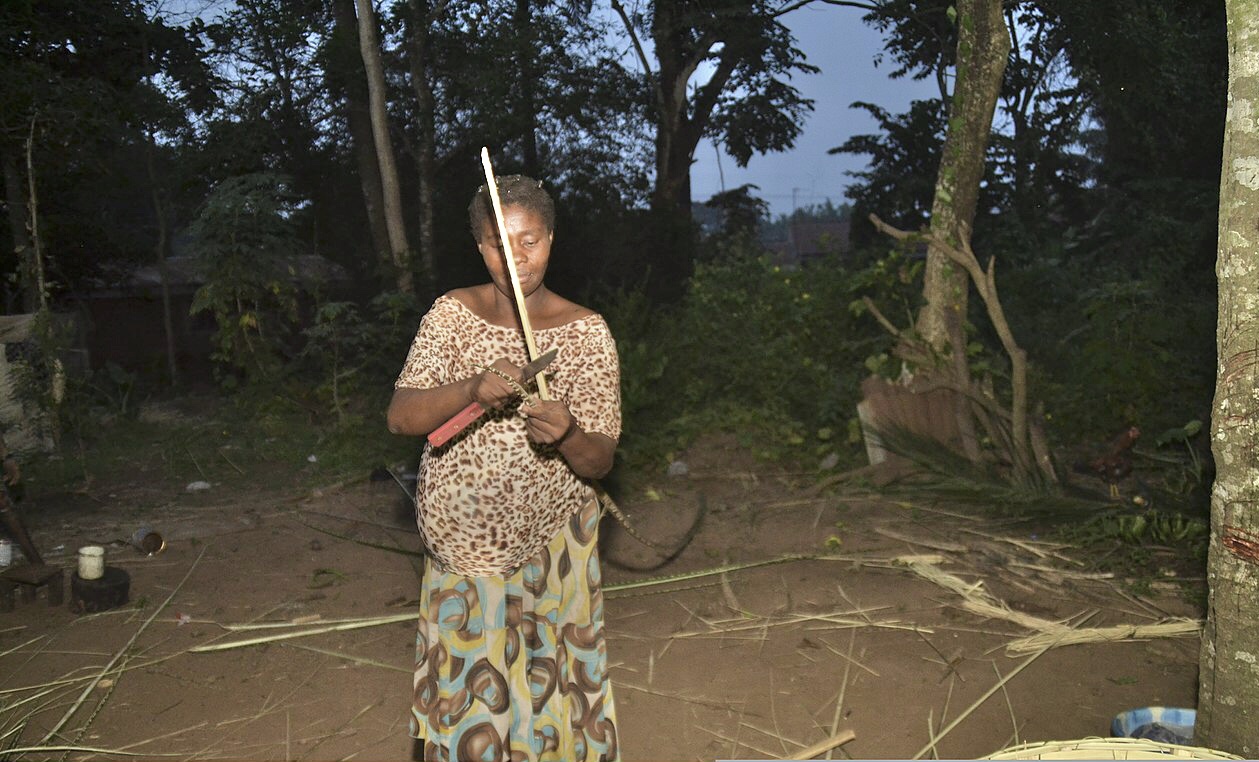
A woman preparing palm-frond materials for basket weaving in Nigeria.
Basket weaving in Nigeria. CC BY-SA 4.0.Wikimedia Commons · CC BY-SA 4.0

Traditional Knowledge

Skills, making, livelihoods and intergenerational practice.

Community collections

Ẹdẹ · Collection 01

Ẹdẹ is the current first case study. Future communities can be added without redesigning the platform.


Enter Ẹdẹ collection